What to Do in Costa Rica
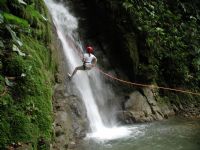
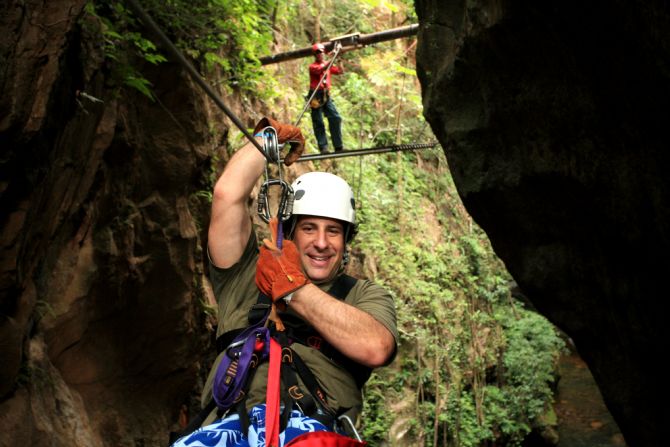
Fun doing Canyon Canopy Tour in Rincon de la Vieja
Costa Rica is quite literally a tropical paradise. More than a million visitors come here every year to explore the lush rainforests, enjoy the miles of unspoiled coastline and sample the rich local culture.
Visitors can use our in-depth guides to figure out what to do in Costa Rica.
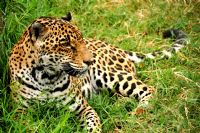
Costa Rica, which means "rich coast," is a popular destination for wildlife enthusiasts and ecotourists, and is home to a stunning variety of exotic plants and animals. In fact, some of the world's rarest and most endangered species can be found here.
The landscapes and scenery of this small nation is almost as varied as the wildlife. From stunning beaches to dense jungles, Costa Rica has it all.
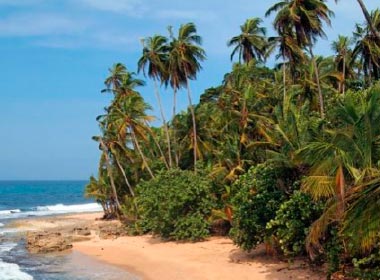
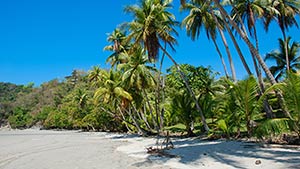
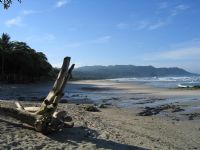
Whether they want to indulge in some rest and relaxation on the pristine shores of the Caribbean Sea and Pacific Ocean or enjoy some exhilarating watersports, thousands of visitors flock to Costa Rica beaches every year.
This tiny country has almost 1,200 miles of beaches, boasting isolated rocky coves and vibrant coastal towns.
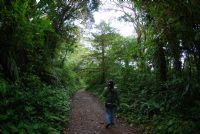
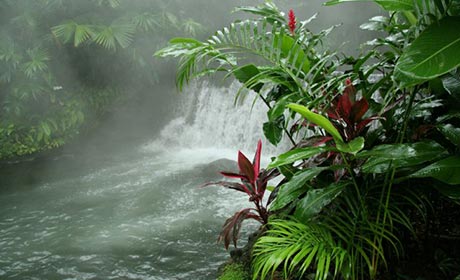
Home to millions of species of bird, reptile and insect, the Costa Rica rainforests offer visitors some of the most breathtaking scenery on Earth. More than 25 percent of Costa Rica is protected, and conservation of the natural environment is one of the country's top priorities.
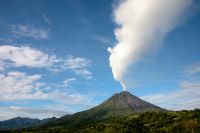
Located on the Pacific Ring of Fire, Costa Rica has five active volcanoes. Some of these can be explored on hiking expeditions, and a volcanic eruption is a spectacular sight, the memory of which will last a lifetime.
For visitors trying to decide on what to do in Costa Rica, these spectacular volcanoes are a must.
For a relatively small country, Costa Rica has much to offer. Visitors spending time here may want to take advantage of our Costa Rica travel time information to make sure they make the most of their vacation in this tropical paradise.
Estimates are provided for journeys made by bus, air and car.
Costa Rica has more than 60 national parks, wildlife refuges and biological zones spread across 12 ecological areas, offering the ultimate rainforest exploration experience. Some popular Costa Rica national parks include Manuel Antonio National Park, Monteverde Cloud Forest Reserve and Corcovado National Park.
Located just north of the equator, Costa Rica weather has two distinct seasons - wet and dry. The climate here ranges from arid in places such as the Guanacaste province to wet and humid in areas like Tapanti National Park.
Most tourists come here between December and April when the conditions are at their most favorable.
For visitors who love to ride waves, Costa Rica surfing is some of the best in the world.
With a variety of conditions suitable for beginners and experienced surfers alike, there is no better place to enjoy the water than Costa Rica.
Many of the country's most stunning sights can be enjoyed on Costa Rica day trips.
These short excursions are ideal for visitors who want to make the most of their time here and include exciting activities such as canopy tours, bungee jumping, hot air ballooning and horseback riding.
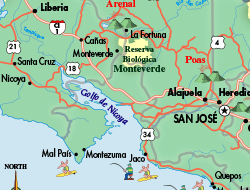
Visitors may wish to familiarize themselves with the lay of the land prior to departing on their Costa Rican adventure. Our extensive range of Costa Rica maps are divided by province, meaning that no matter where travelers choose to explore, they can do so with confidence.
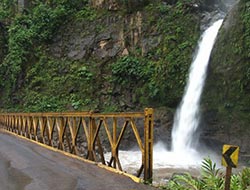
A picture is worth a thousand words, and the true spirit of Costa Rica is best captured by the images in our photo galleries. Before they see everything this amazing country has to offer for themselves, visitors can browse our Costa Rica photo gallery to give themselves an idea of what to do in Costa Rica.
7 Days / 6 Nights
Starting at $978 per person
10 Days / 9 Nights
Starting at $1,440 per person






.jpg)