Parrita, North Puntarenas
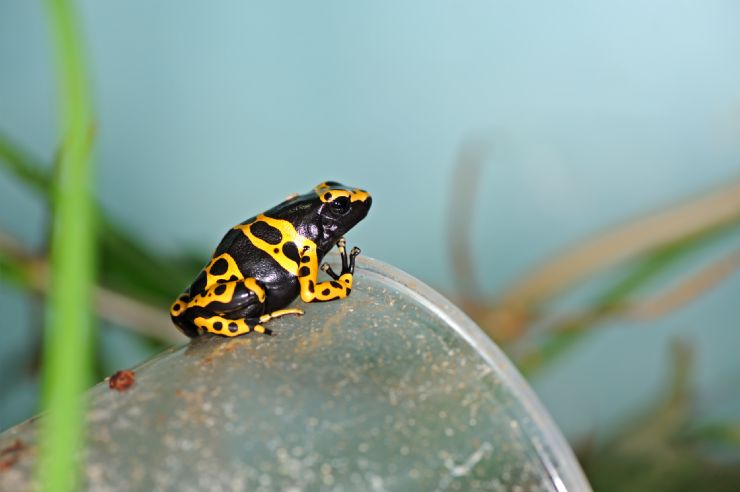
Costa Rican Variable Harlequin Toad (Atelopus varius)
The little town of Parrita is on the way to the famous Manuel Antonio while sitting in the middle of an African oil palm farm.
Local Legend
According to local legend, the town's name comes from a woman named Rita, who lived in one of the original settlements in the area prior to the arrival of the Spanish. Rita owned a business and often received packages, and the phrase "Es pa Rita" (It's for Rita) was heard so many times that the canton in which the city resides was named Parrita. You can find more about local legends on our blog.
Nearby Community
The canton itself is surrounded by a number of rivers, including the Damas, Picaritos, Palo Seco, Jicote, Chires and the Parrita. The community's economy is almost exclusively dedicated to producing African palm oil, an edible plant oil derived from the trees.
Due to its low elevation (just 15 meters above sea level), the town of Parrita boasts a very warm climate and is able to avoid much of the wind that plagues some of the more mountainous regions in the country.
To access the small town, travelers can head down the Guapinol highway from Puriscal and the Talamanca mountains, which are situated inland.
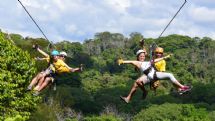
Adventure Awaits
Parrita and its surrounding areas are an excellent place to visit for any traveler looking to partake in ecotourism. The nearby Damas estuary mangrove forest is home to a wide variety of animals, including crocodiles, pumas, the coatimundi and Costa Rica's treasured monkey species.
Map of the Area
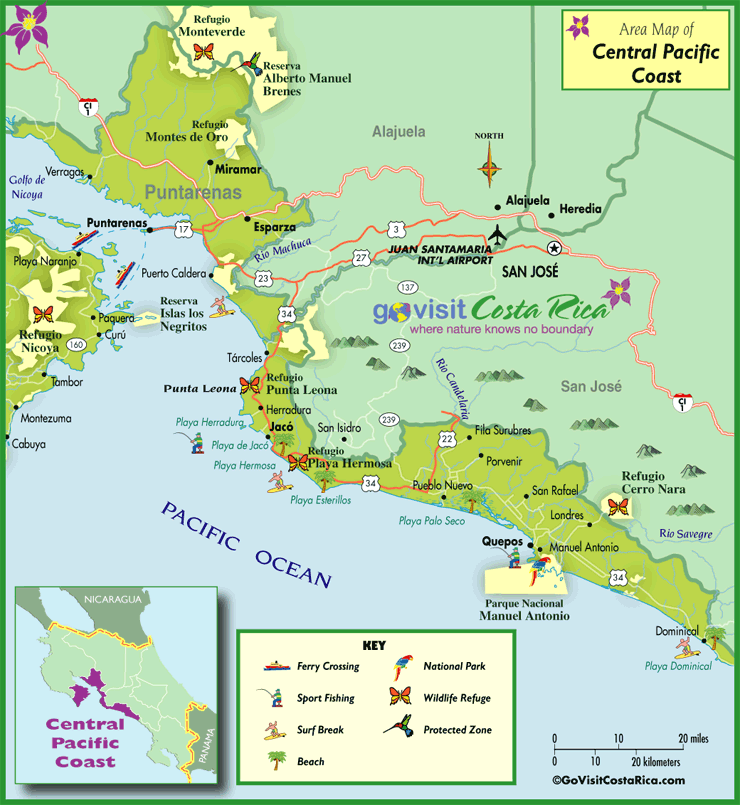
Damas Island, which can be found across the estuary that is 400 meters wide, is accessible by boat from a dock just 12 kilometers south of Parrita on Highway 34.
The Parrita River is another terrific destination for nature-loving tourists, as the Class II and III rapids are a fun adventure for all members of the family. These rapids are ideal for those just learning how to whitewater raft, and can be an exciting way to view some of the marine wildlife and birds in the area, including the giant cranes, ibis, storks and egrets.
Sport fishing is another popular activity for visitors to Parrita, as tuna, marlin, wahoo and snook can all be found in bunches in the nearby Pacific Ocean.
10 Days / 9 Nights
Starting at $1,071 per person
6 Days / 5 Nights
Starting at $878 per person





.jpg)
.jpg)
.jpg)
.jpg)