Cabo Blanco Strict Nature Reserve, North Puntarenas
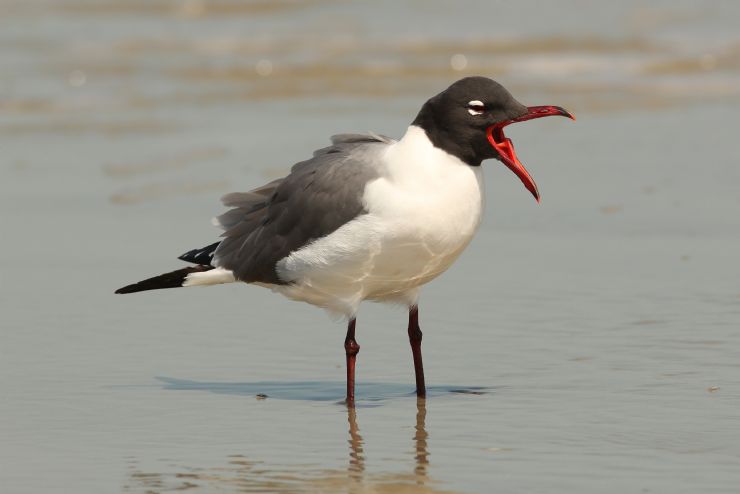
Laughing Gull calling on beach in Cabo Blanco Reserve
Nature enthusiasts who visit Costa Rica should not miss a chance to visit Cabo Blanco Strict Nature Reserve in North Puntarenas. This area is the oldest reserve in Costa Rica, and initially was designated as an absolute nature reserve, with no visitors allowed.
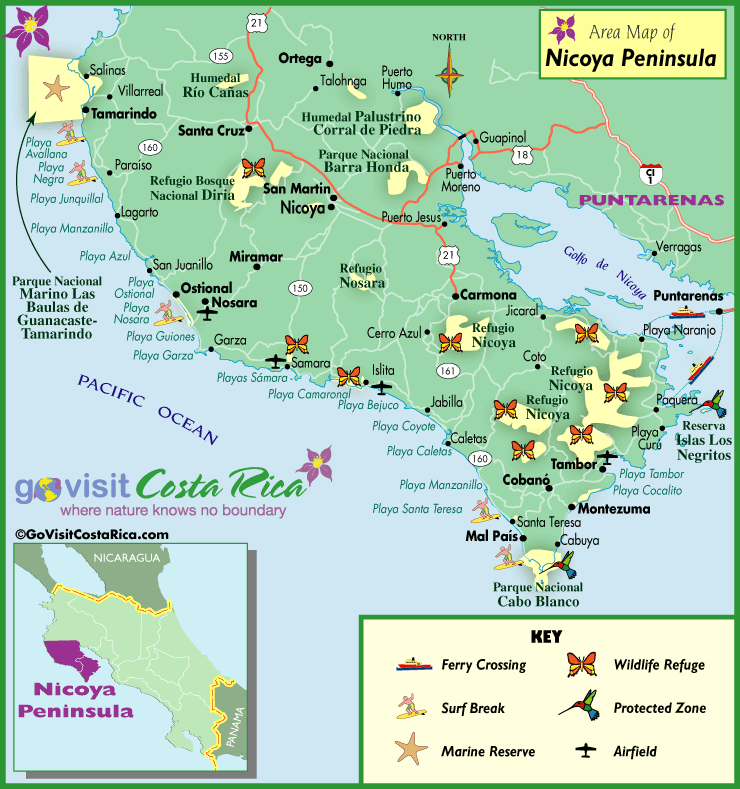
The Cabo Blanco Reserve is situated just south of Montezuma in the Puntarenas Province. Located at the southern end of the Nicoya Peninsula, the reserve protects over 3000 acres of land and more than 4000 acres of adjacent ocean. Its location guarantees a variety of experiences for your next Costa Rican vacation.
History of the Reserve
In 1963, Olof Wessberg and Karen Morgenson had the vision to create the first significant restoration project of deforested land in Costa Rica. They were spurred into action by the tremendous deforestation in the Nicoya Peninsula in the mid-20th century. The resulting conservation project became the nature reserve. Today, over 50 years of rehabilitation of the land and growth over time has made a positive impact on the natural environment of the area. Today it is just one element of the Tempisque Conservation Area.
Plan Your Visit
Since the 1980’s, a limited amount of visitors are allowed to enter the park each day. However, policies are in place to reduce environmental impact on the park. At present, visitors are allowed daily with the exception of Mondays and Tuesdays, and no camping is allowed. Since only 40 visitors are allowed into the park each day, it is necessary to make a reservation to ensure that you will be able to visit. Remember to bring water and food with you as the park does not have any vendors.
View Protected Ecosystems and Waterways
Several delicate ecosystems are protected in the reserve, including Pacific lowland tropical forest. There are 119 species of plants that thrive in the variety of ecosystems. This makes it a great place to see many different species of animals that find protection in the reserve, including, monkeys, agoutis, peccaries, armadillos, squirrels, sloths, deer, and raccoons.
The continued protection of the Cabo Blanco area ensures that the waterways in this part of Puntarenas including Rio Cabo Blanco and Laguna Balsitas remain a healthy source of water for remote areas of the Nicoya Peninsula. The water is literally a life source for the myriad of endangered species that inhabit the Cabo Blanco Strict Nature Reserve.
From the Park to the Beaches
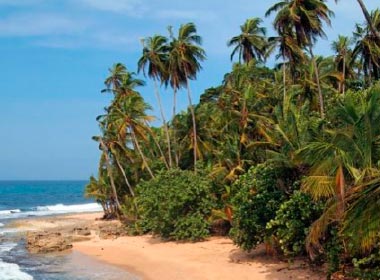
Cabo Blanco Reserve is a great place to view lush plants and exotic wildlife, as well as take a hike on one of the two main trails that lead to beautiful beaches. One trail traverses to both Balsita and Cabo Blanco beaches, and the second trail starts at Balsita beach and goes to the boundary of the reserve. Birdwatchers that enjoy viewing seabirds will be rewarded for their work hiking with sightings of frigates, laughing gulls, and pelicans.
Map of the Area
Excellent Surfing Nearby
If there are surfers in your group, be sure to take them along when you head to Cabo Blanco. Beaches near the reserve are premier surfing spots in the Puntarenas Province. Catch a wave at the beaches of Mal Pais, Santa Teresa, and Playa Tambor and enjoy the waves of the Pacific Ocean. The Santa Teresa area is a great place to take a fishing charter, go snorkeling, or just enjoy the laid-back surfer town vibe.
The Cabo Blanco Absolute Nature Reserve is the premier place in North Puntarenas to view wild birds, animals, and breathtaking flora while remaining close to both the capital city and diverse activities such as surfing, snorkeling, and golfing. A vacation to this area of Costa Rica offers a variety of recreational opportunities, places to relax, and amazing places to explore.
10 Days / 9 Nights
Starting at $1,071 per person
6 Days / 5 Nights
Starting at $878 per person







_resized_1440.jpg)



.jpg)