Barbilla National Park, Cartago
Do you want to get away from the crowds and still enjoy the natural beauty of Costa Rica during your stay? The Barbilla National Park is the spot for you. This 29,500-acre region situated along the Cordillera de Talamanca is the least visited national park in the entire nation.
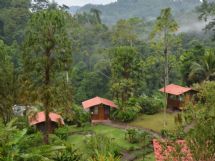
It’s just south of Cartago and features virgin rain forests, rich biodiversity, and plenty of opportunities for eco-tourism. The peaceful atmosphere and smaller crowds make this the perfect place to get lost in the beauty of Central America.
Flora and Fauna of the National Park
Like all of Costa Rica, the area is teaming with life. Conditions in the national park support complex ecosystems and undisturbed regions develop naturally. This area gives scientists, researchers and nature lovers a unique opportunity to study biological processes.
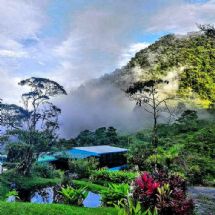
Altitudes and weather conditions change throughout the park. The highest point is the hill of Cerro Tigre with a peak at 1,167 meters. The lowest valley has an elevation of only 110 meters. Low clouds and fog routinely cover sections in mist and shade.
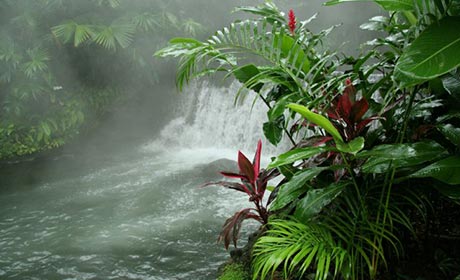
Annual rainfall averages between 140 and 180 inches of precipitation. Temperatures stay relatively warm between 64 and 82 degrees. These conditions create a humid environment where moisture invades everything and fosters growth.
The area is also a habitat for many endangered animals like jaguars, pumas, ocelots, tapirs, howler and spider monkeys and some rare birds like the sun heron or Tolomuco.
There are a few marked trails, but hikes through the park are arduous. Experienced guides keep you from getting lost or injured. They also know where to look to find the animals you are most interested in viewing. Photographers have captured stunning images of rare or endangered species, but this is uncommon. Larger animals hide in the dense foliage.
A Culturally Significant Park
The Cabecar tribe still live traditional lives inside this protected forest. The Cabecar are the second largest indigenous group in Costa Rica, and the Chirripo Indigenous Reserve, where most live, sits just next to the park.
The Cabecar maintain their way of life as hunters and farmers. Inhabitants fish in the rivers and grow papayas, guavas, and grains. They reject influences from modern society and still hold to their culture’s religious myths and traditions.
The lands protected in the Barbilla National Park allow them to continue their practices, and this makes the park more than just an isolated natural preserve. It facilitates cultural diversity and a unique existence for some of Costa Rica’s inhabitants.
Plan Your Visit
Siquirres is the largest city near the park’s main entrance. You will find this town traveling along the road to Limon. The drive takes approximately three hours from San José, and most of the roads are in excellent condition.
Make sure your vehicle can handle the rugged driving conditions. When you arrive in Siquirres, you must turn off the highway and travel down a dirt road to the small town of Brisas de Pacuarito. This village sits at the entrance to the park and the drive to it is often muddy and uneven.
Map of the Area
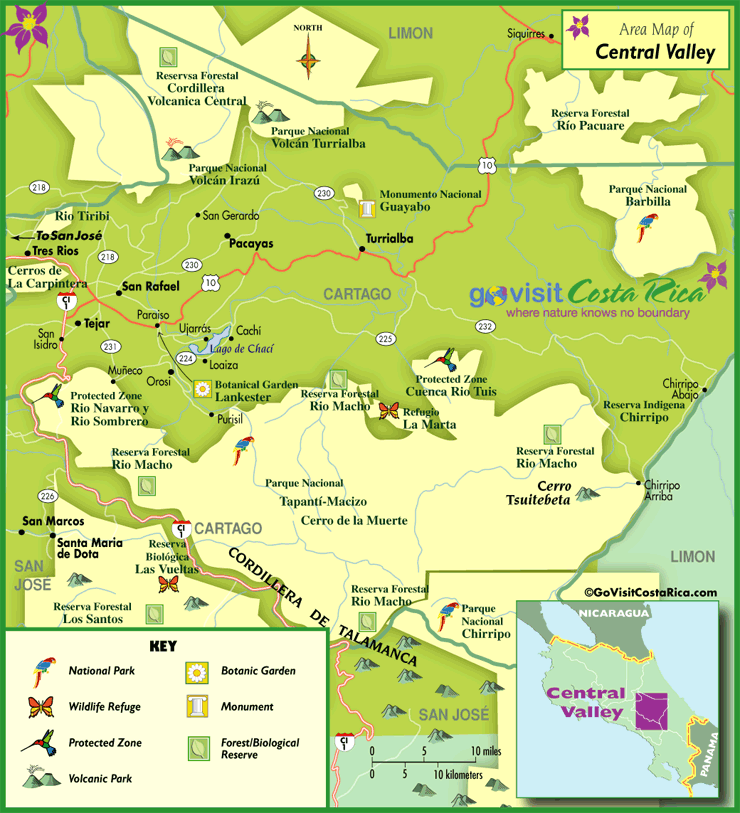
The Barbilla Biological station operated by the National Institute of Biodiversity is close to the entrance. Scientists here work towards classifying species of wildlife and improving the understanding of para taxonomy. It’s an excellent place to find current information about conditions inside the park before heading out on your hike. It is also the only spot with, electricity, sanitation services, and potable water.
You may camp or fish inside the park, but come prepared with the equipment and supplies you expect to need before arriving. Wear comfortable hiking shoes and dress in layers. The dry season lasts from January to April, but always be ready for changes in the weather. Bring a rain jacket and a change of dry clothes.
7 Days / 6 Nights
Starting at $932 per person
10 Days / 9 Nights
Starting at $1,193 per person




.jpg)