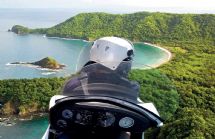
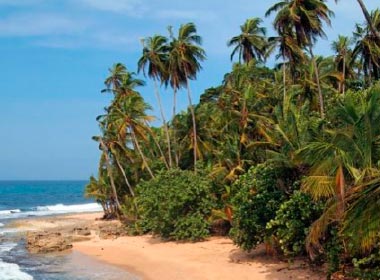
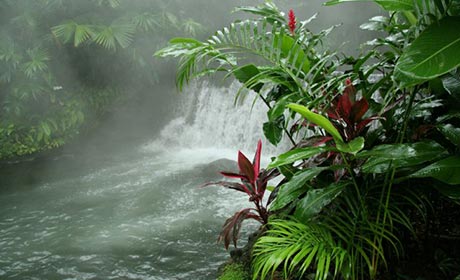
As a tropical inlet backed by rainforest, Quepos is a small booming harbor town famous for being one of the best places in the world for big-game sport fishing as well as the gateway to Manuel Antonio.
With a variety of outdoor adventure and nightlife, the village center composes six blocks of restaurants, bars, hotels, art galleries and gift shops, all resting beside the main beach and sport fishing fleet.
The city is located in the northern part of the Puntarenas province on Costa Rica's central Pacific coast.
Sport Fishing
No trip to Quepos is complete without a sport fishing tour. The shoreline is home to many fish that are considered premier catches, including marlin, sailfish, snapper, amberjack, wahoo, dorado, yellow fin and big eye tuna, and roosterfish.
With the several charter companies operating, you can prepare to hook a winner. Angling enthusiasts can fish inshore or offshore, with the option of fly fishing as well. Novice fishermen will benefit from bilingual guides that bring you over the breeding hotspots for fish.
Marina Pez Vela
Quepos is now home to one of the prettiest & impressive marinas in Costa Rica.
Marina Pez Vela opened in 2014 and it currently has about 200 wet slips that can accommodate boats of up to 200 feet. There is also a dry rack that can accommodate up to 40 boats up to 38 feet.
The marina is also home to many restaurants & shops and it also hosts multiple fishing tournaments each year.
Outdoor Adventure
If fishing is not your forte, feel free to enjoy a heap of other adventurous day trips many of them in nearby Manuel Antonio.
After the fall of the banana plantation industry that laid the foundations for the port, Quepos replaced its former industry with ecotourism - meaning that there are many other draws, including canopy tours, horseback riding, kayaking and surfing.
Swim with the fish scuba diving, greet ancient reptiles on the iguana tours or embark on a white water rafting trip. The options are limitless!
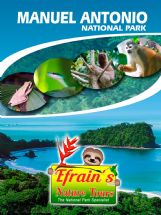
Gateway to Manuel Antonio National Park
Quepos pulls some of its spotlight based on its closeness to Manuel Antonio National Park, one of the most popular national parks in Costa Rica, sitting only 7 kilometer south.
Besides the large tourist draw, Quepos is also frequented by many international scientists and naturalists, who come to study this region's fantastic diversity of flora and fauna.
When to Visit
The high season runs from December to April, when the weather is dry.
City activities culminate with the Festival del Mar, a month-long party held each February.
The festival highlights parades, concerts, sporting events and a street carnival that marches through the streets of the city. If you decide to visit during this time, prepare for a vivacious time!
While peak fishing season lasts from December to August, days in March and April can get pretty hot, and September brings a lot of rain.
However, if you're looking for more downtime, May through November provides less crowded beaches still bearing the natural beauty of the port.
City Map
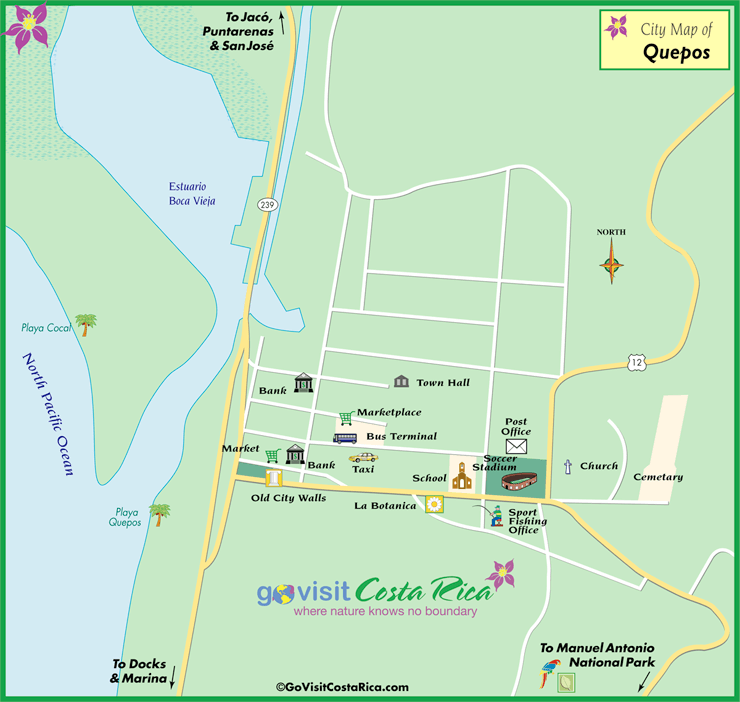
Getting To Quepos
If you're coming from the capital city of San Jose, Quepos is located around 160 kilometers away.
Whether you're visiting to reel in the catch of lifetime or simply to hang out on the beach, this is a beautiful place to enjoy a relaxing getaway.
For drivers from San Jose, you will need to pass through the towns of Escazu, Orotina, Jaco and Parrita on the way.
A faster option would be to take a domestic flight from the Juan Santa Maria International Airport, and then make the quick drive / taxi ride to Quepos.




.jpg)
.jpg)




.jpg)
.jpg)



.jpg)